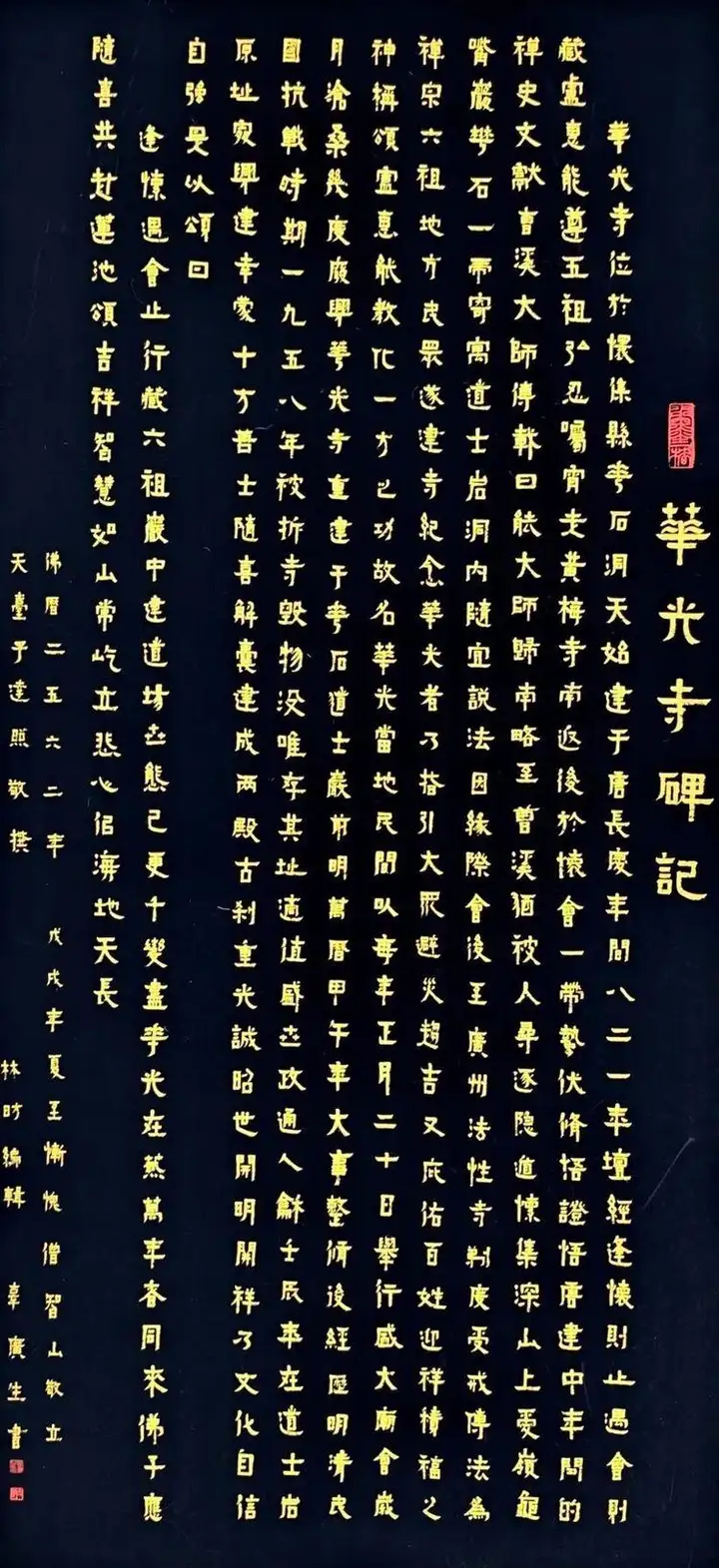
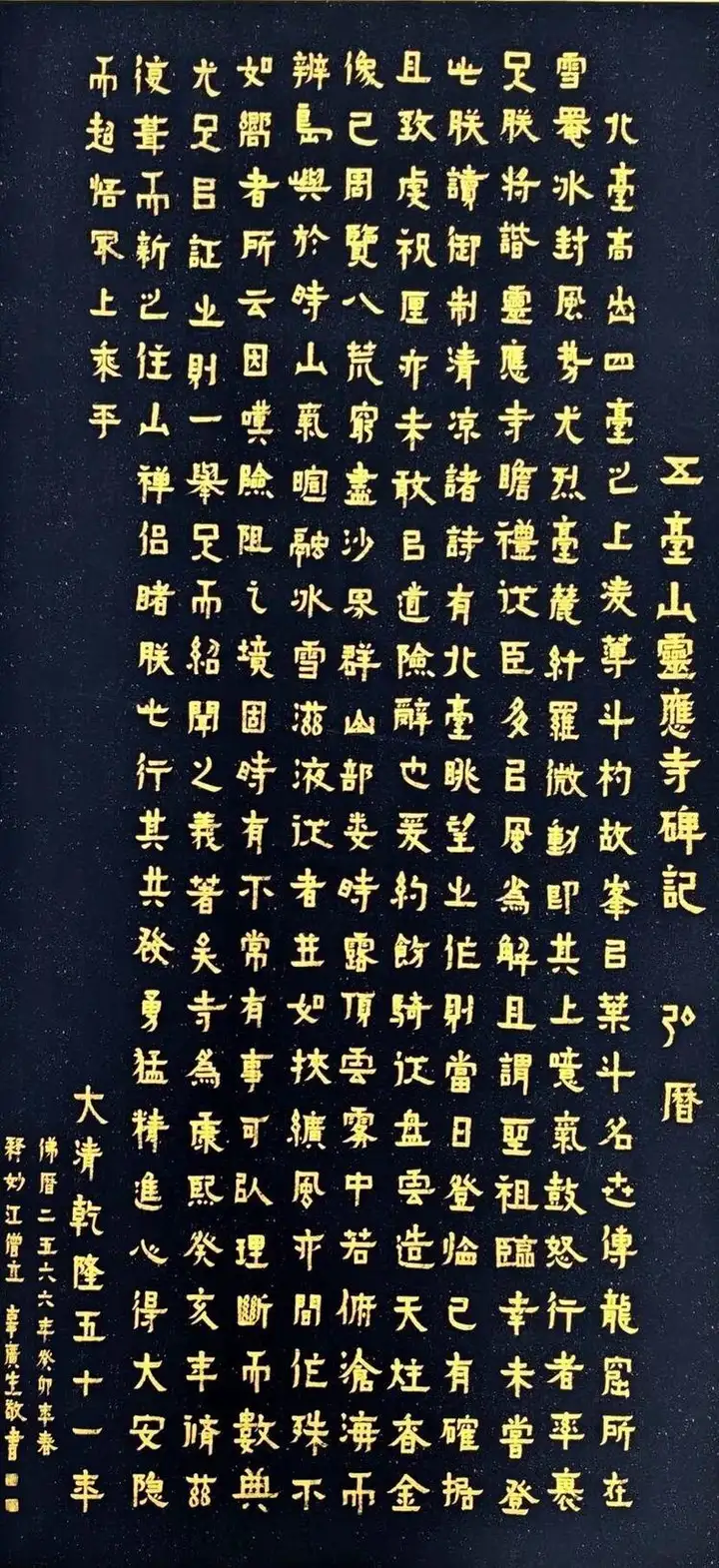
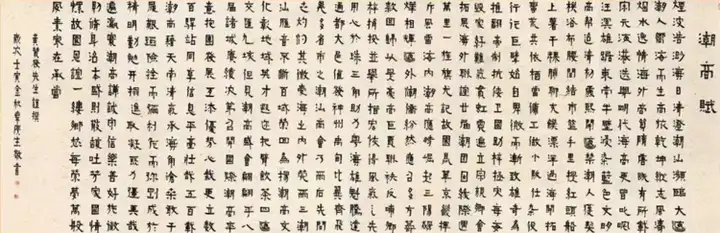
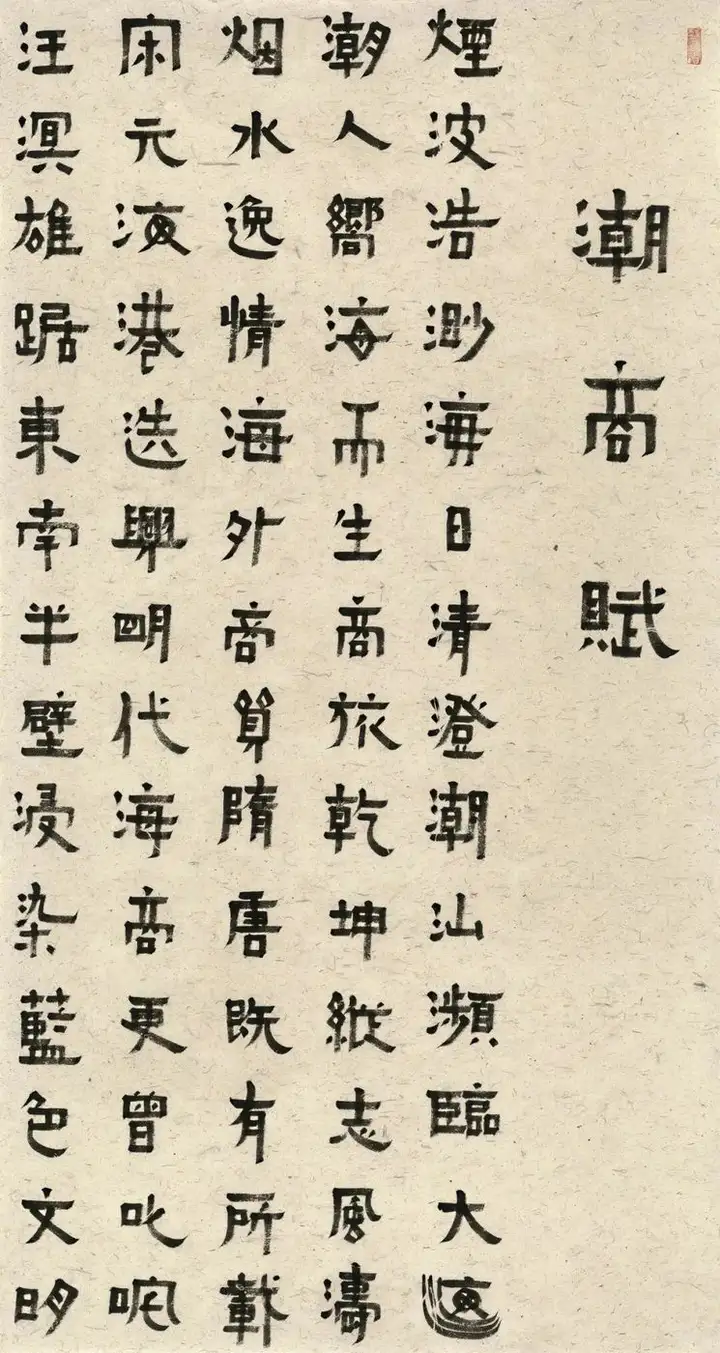
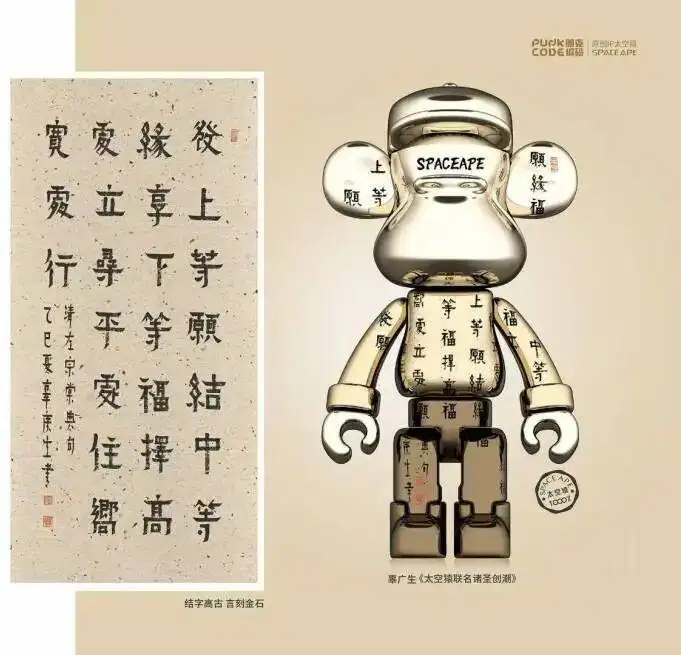
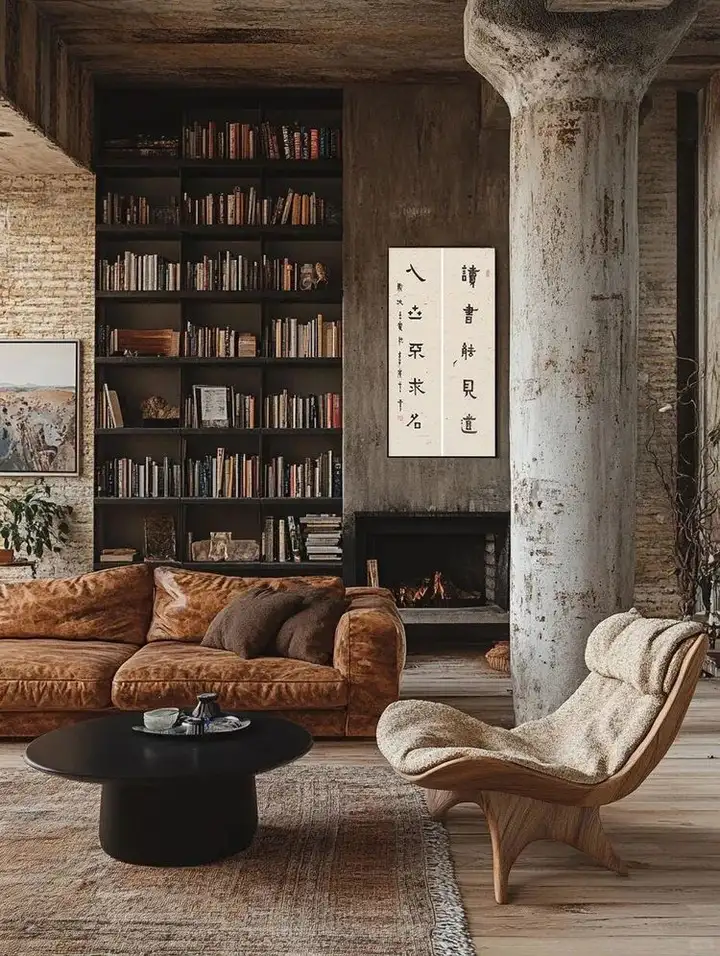
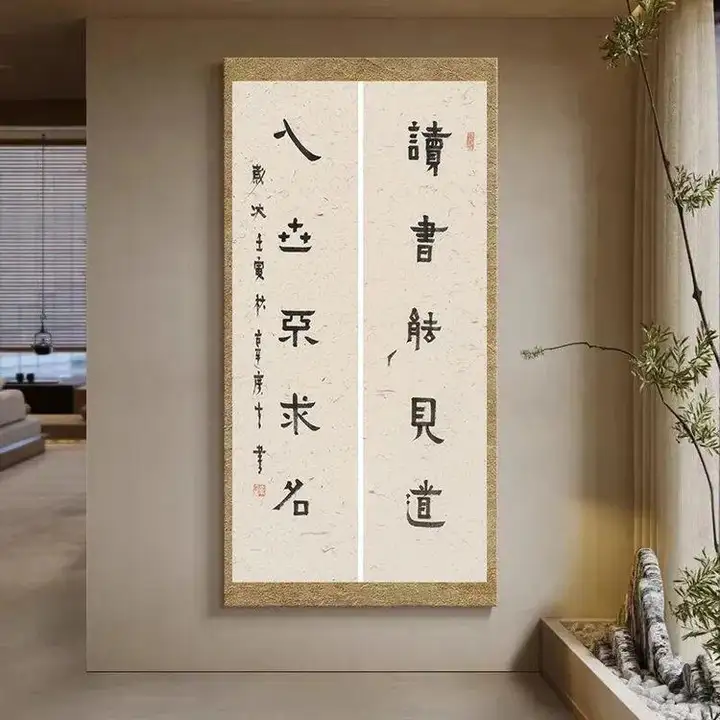
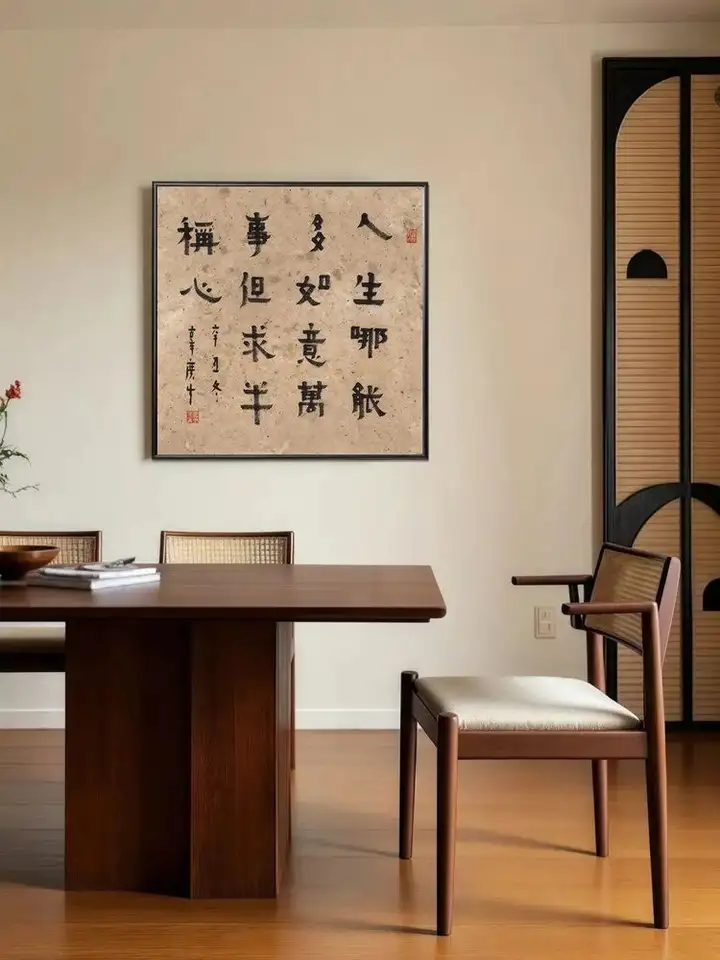
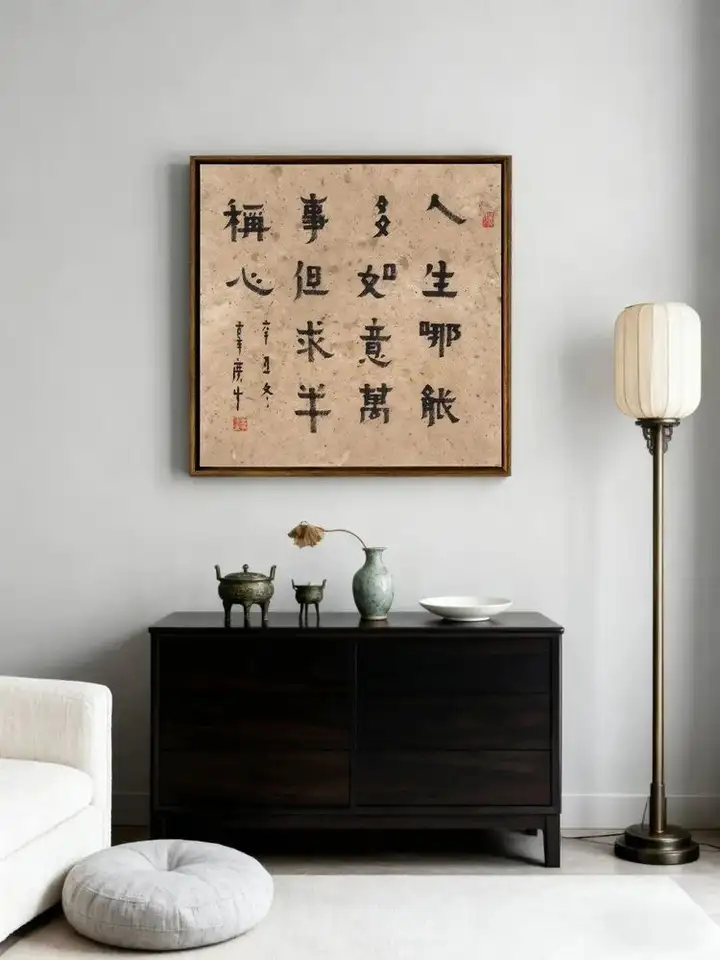
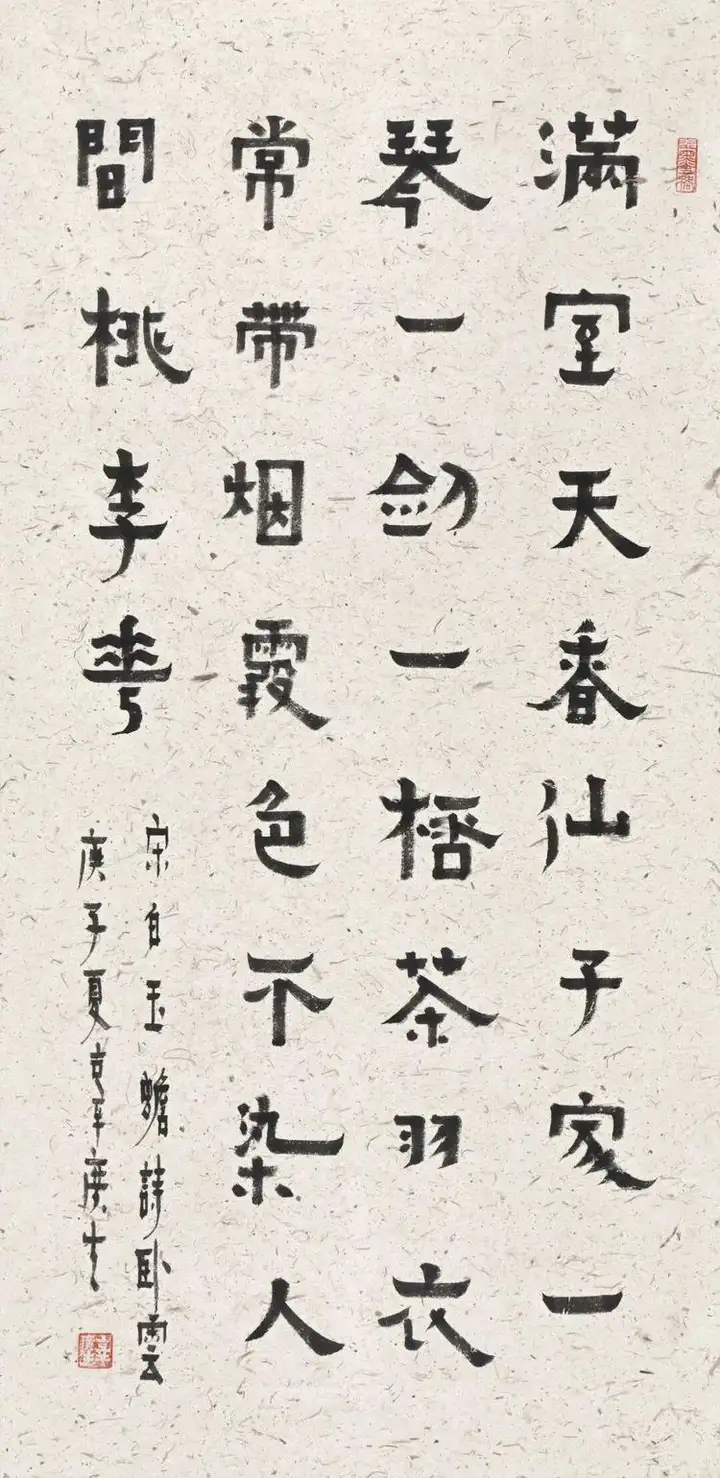
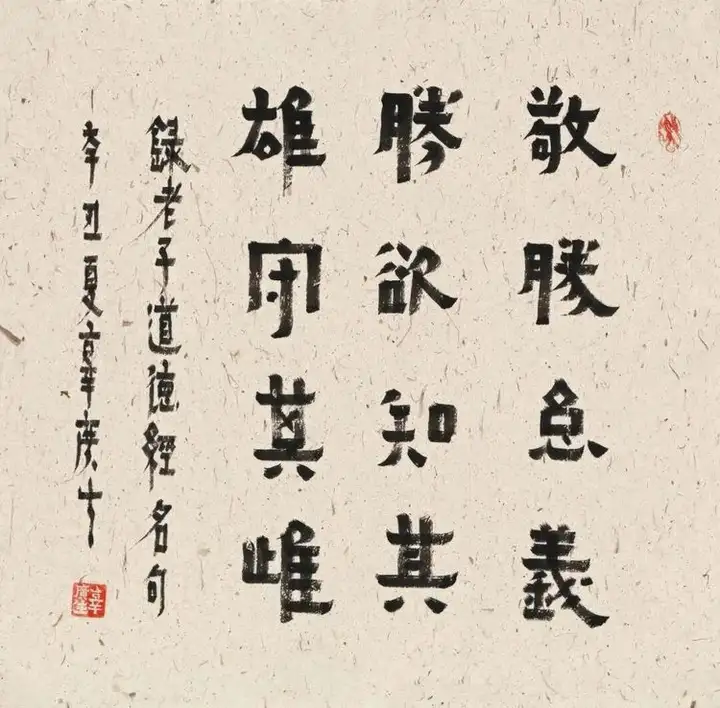
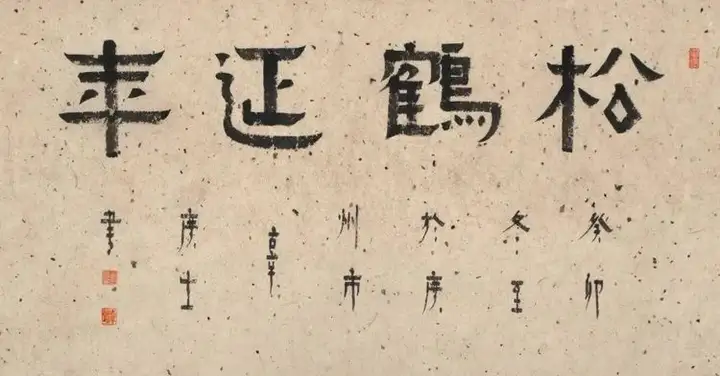
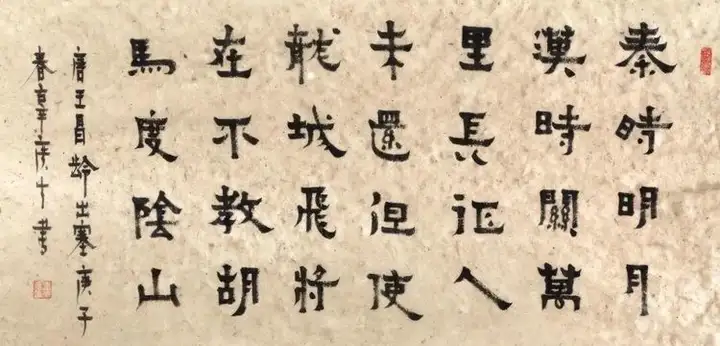
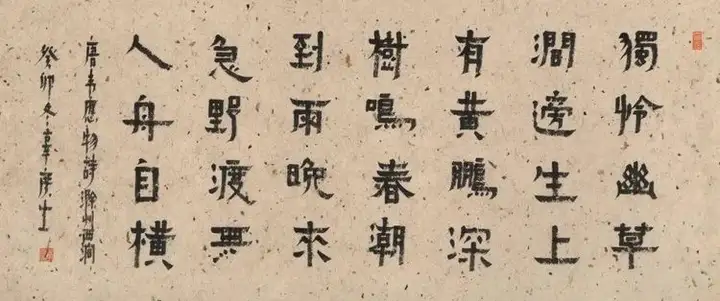
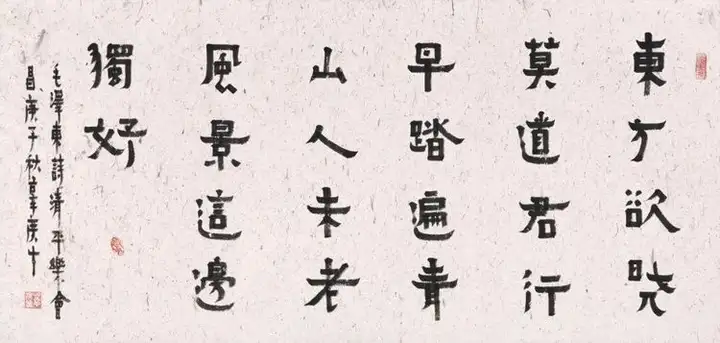
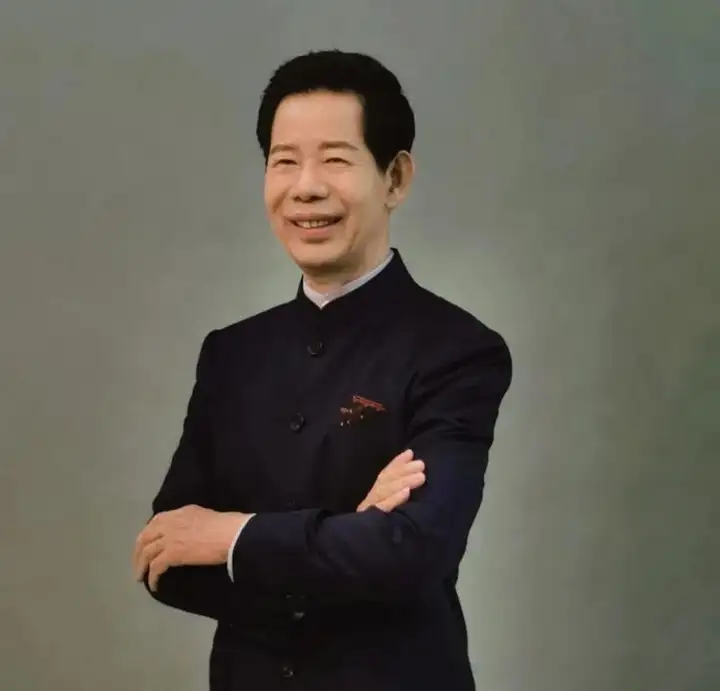
辜广生,汉族,广东潮州人,拥有研究生学历。作为当代书法“辜体”的创始人,中国书法家协会会员、国家一级书法家,西泠印社出版社广东分社执行社长、《中华英才》半月刊融媒体中心理事会副主席、粤港澳经济文化交流中心文化艺术高级顾问、广州艺博会专家顾问、广东省民营企业投资发展促进会艺术顾问、中国书画产业研究基地专家组成员、电视《文化强国》栏目组艺术顾问、高级智库大辞典首席专家、中国非遗发展中心艺术顾问、国宾礼艺术家、中国文联联墨艺术鉴定评审中心专家、中国书画院名誉院长、清华大学美术学院书画系客座教授、中国博物馆研究员、广东省作家协会事业发展委员会副主任、广东省建设学院客座教授、广东韩山师范学院书法客座教授等。 辜广生应中华兰亭字库网“中国书法名家字库工作委员会”之邀,精心创作4000字录入中华兰亭名家字库,入库后被命名为辜广生字体,简称“辜体”,并获国家知识产权局认定。2023年8月10日,“辜体”字库书典首发式暨辜体书法研讨会在人民大会堂、全国人大会议中心盛大举行;同年12月2日,其“辜体书法展”于北京荣宝斋大厦美术馆成功举办。2024年9月,辜广生再度发力,成功研发创作4000个独特书法字体纳入中华字库,被命名为“中华兰亭一一辜广生第二种”,成为“辜体”系列,经中华兰亭字库工作委员会严格评审,被授予中华兰亭字库“高级专家”称号 。2025年6月8日已成功创作当代“辜体”书法7300个字入华为、小米、荣耀、oppo、vivo五家国内手机平台。 辜广生的艺术影响力广泛,受邀撰写六祖惠能《华光寺碑》、五台山北台《灵应寺碑记》,以及受国际潮商会长俱乐部邀请撰写800多字长卷《潮商赋》。他的书法作品《沁园春·雪》被人民大会堂珍藏,《陋室铭》被国家博物馆收藏。 Gu Guangsheng, of Han ethnicity, is a native of Chaozhou, Guangdong Province, with a postgraduate academic background. As the founder of the contemporary "Gu Style" calligraphy, he holds multiple prestigious titles, including being a member of the China Calligraphers Association, a National First-Class Calligrapher, Executive Director of the Guangdong Branch of Xiling Seal Engraving Society Publishing House, Vice Chairman of the Council of the Multimedia Center of *China's Talents* biweekly, Senior Cultural and Arts Advisor of the Guangdong-Hong Kong-Macao Economic and Cultural Exchange Center, Expert Advisor of the Guangzhou Art Fair, Art Advisor of the Guangdong Private Enterprise Investment and Development Promotion Association, Expert Member of the China Painting and Calligraphy Industry Research Base, Art Advisor of the *Cultural Power* TV Program Group, Chief Expert of the Senior Think Tank Dictionary, Art Advisor of the China Intangible Cultural Heritage Development Center, National Guest Gift Artist, Expert at the China Federation of Literary and Art Circles' Calligraphy and Ink Art Appraisal and Review Center, Honorary President of the China Painting and Calligraphy Academy, Guest Professor at the Department of Painting and Calligraphy of Tsinghua University Academy of Fine Arts, Researcher at the China Museum, Deputy Director of the Career Development Committee of the Guangdong Writers Association, Guest Professor at Guangdong Construction College, and Guest Professor of Calligraphy at Guangdong Hanshan Normal University. At the invitation of the "Chinese Calligraphy Masters Font Committee" of the China Lanting Font Library, Gu Guangsheng meticulously created 4,000 characters for inclusion in the China Lanting Masters Font Library. After being added to the library, these characters were named the Gu Guangsheng font, abbreviated as "Gu Style," and were recognized by the National Intellectual Property Administration. On August 10, 2023, the launch ceremony of the "Gu Style" font library and the Gu Style calligraphy seminar were grandly held at the Great Hall of the People and the National People's Congress Conference Center. On December 2 of the same year, his "Gu Style Calligraphy Exhibition" was successfully held at the Rongbaozhai Building Art Museum in Beijing. In September 2024, Gu Guangsheng once again made strides by successfully developing and creating 4,000 unique calligraphy characters, which were incorporated into the China Lanting Font Library under the name "China Lanting—Gu Guangsheng Second Style," forming part of the "Gu Style" series. After a rigorous review by the China Lanting Font Library Working Committee, he was awarded the title of "Senior Expert" of the China Lanting Font Library. On June 8, 2025, he successfully created 7,300 characters in the contemporary "Gu Style" calligraphy, which have been incorporated into five major domestic mobile phone platforms: Huawei, Xiaomi, Honor, OPPO, and Vivo. Gu Guangsheng's artistic influence is extensive. He has been invited to inscribe the *Huaguang Temple Stele* for the Sixth Patriarch Huineng and the *Lingying Temple Stele Inscription* for the North Terrace of Mount Wutai. He was also invited by the International Chaoshan Business Club to compose an over-800-character long scroll titled *Ode to Chaoshan Merchants*. His calligraphy work *Qinyuanchun·Snow* is preserved in the collection of the Great Hall of the People, while *Inscription of a Humble House* is housed in the National Museum.